

7 Steps to Take After an Uber Accident in Los Angeles
1. Document the Scene and Get Driver Information
If you got hit in an Uber in Los Angeles, you have a claim. But here's what most people get wrong: Uber's $1 million liability policy isn't always in effect. It only covers you if the driver had accepted your ride and was heading your direction—or had you in the car. If the driver was in Period 1 (waiting for a ride request with the app on), you're looking at the driver's personal insurance, which probably doesn't cover rideshare work. That's the trap. What you do right after the crash—documenting the scene, screenshotting the ride details, getting a police report—will determine whether this goes smoothly or turns into a nightmare. Here's exactly what to do, step by step.
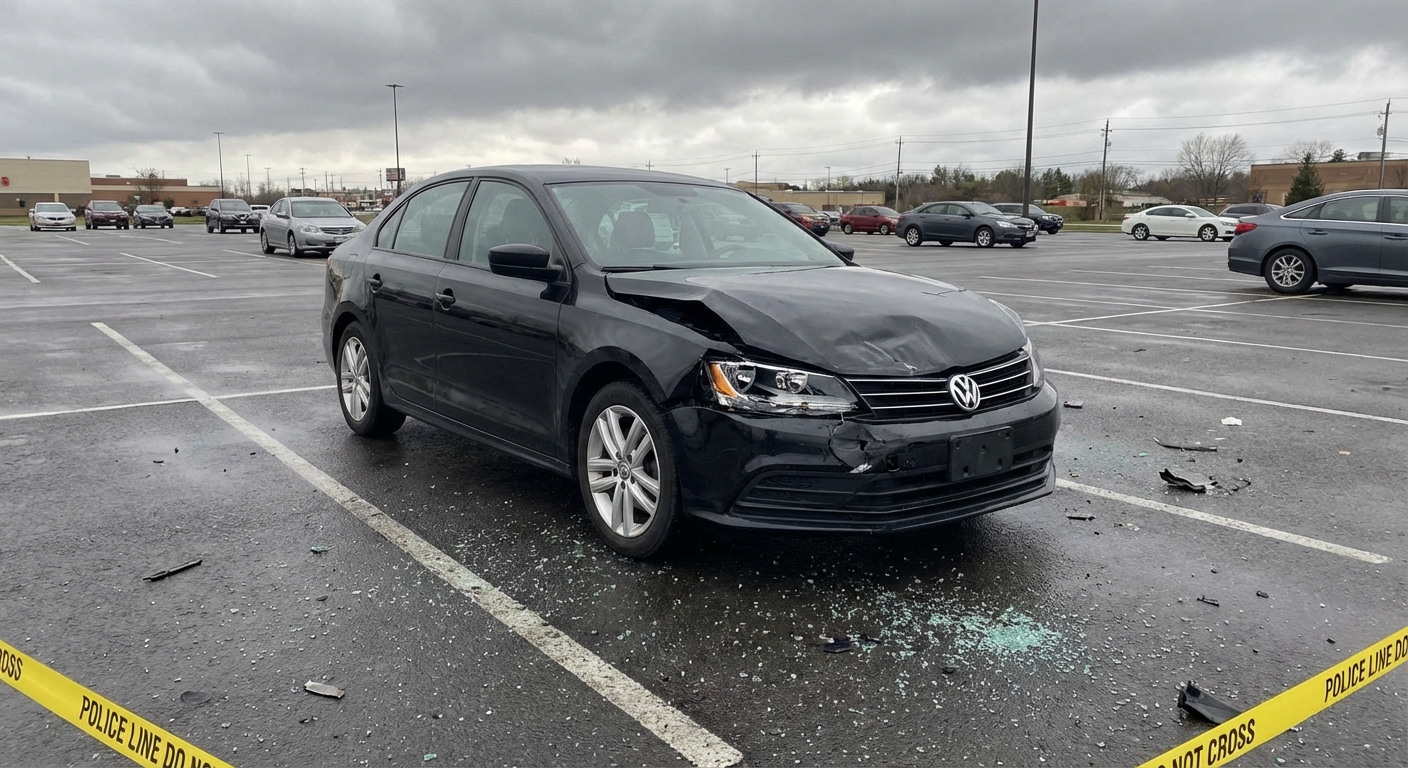
The first thing you do—once everyone's safe—is pull out your phone and take photos of everything. Vehicle damage, the scene, the intersection, any injuries. Get the Uber driver's name, phone number, and email straight from the app, and ask them directly for their driver's license, insurance info, and license plate. Write down the exact time and location. If there are passengers or witnesses, get their phone numbers. Do all of this immediately, while you're still at the scene and details are fresh. Don't rely on memory. Uber will eventually pull trip data if your case goes to litigation, but they drag their feet—I've seen it take a year. Your photos and notes, taken right then, are gold in depositions because they show you documented things properly.
2. Understand Uber's Coverage Periods (Period 1, 2, 3)
This is critical and almost nobody gets it right. Uber's $1 million liability policy has three distinct periods, and which one applies determines whose insurance is going to pay for your injuries. Period 1 is when the driver has the app on but hasn't accepted a ride—the driver's personal insurance is primary here, and that usually doesn't cover rideshare work. Period 2 is when the driver has accepted your ride but hasn't picked you up yet—Uber's contingent coverage kicks in ($1M), but only after the driver's personal policy is exhausted. Period 3 is when the driver has you in the car or is heading to pick you up for an active ride—Uber's $1M policy is primary and applies first. You need to know which period you were in, because it changes the entire claim strategy.
3. Call the Los Angeles Police Department and Get a Report Number
If anyone was injured or there's significant vehicle damage, call 911 immediately. If it's minor and everyone's okay, you can file a non-injury report with the Los Angeles Police Department's online system or at a local station. In LA, traffic collisions are typically handled by LAPD if you're within city limits, or by the California Highway Patrol if you're on a freeway like the I-405, I-10, or 101. Get the police report number and the responding officer's name and badge number. The report will include the other driver's information and any citations issued. The police report is one of the most important documents in your case—don't skip this step even if it feels tedious. Insurance companies, judges, and juries all look at it first.
4. Screenshot Everything in the Uber App Immediately
The second you can safely do it, open the Uber app and screenshot the ride details page. Screenshot the driver's profile, the route, the trip duration, the pickup and dropoff locations, any in-app messages between you and the driver, and your ride history for that day. Do this before you close the app or log out. Uber's systems are designed to protect Uber first—not you. If a dispute arises, Uber will eventually hand over ride data in response to a subpoena or court order, but it can take months. Meanwhile, your screenshots are contemporaneous evidence that you created minutes after the incident, which carries more weight in court than Uber's server records pulled a year later. Also, Uber has been known to edit or delay release of ride data in settlement disputes, so your screenshots are your insurance policy.
5. Seek Medical Attention at a Real LA Hospital
Even if you feel fine, get checked out immediately or within 24 hours. Adrenaline masks pain. You might have a spinal injury, internal bleeding, or concussion that doesn't show symptoms right away. LA has excellent trauma centers like Cedars-Sinai Medical Center, UCLA Medical Center, and LAC+USC Medical Center. Tell the doctors exactly what happened and where you have pain. Get copies of all medical records, imaging reports (X-rays, CT scans), and provider notes. Insurance companies are skeptical of injuries reported days or weeks after a crash—they'll argue you weren't that hurt if you didn't see a doctor immediately. Your medical records, dated the day of the crash, are crucial proof that you took the injury seriously. Keep all receipts and bills, even for smaller treatments like physical therapy.
6. Preserve All Your Evidence Before Talking to Insurance
Here's where most people mess up: they call the other driver's insurance company right away and end up giving a recorded statement. Don't do that. Don't call anyone's insurance, don't explain the incident in detail, don't agree to anything. Just get names and policy numbers and stop talking. Everything you say to an insurance adjuster can and will be used against you later. Instead, gather all your evidence: medical records, police report, photos, witness statements, repair estimates for your vehicle, receipts for any lost wages or expenses. Write down what you remember while it's fresh, but don't send it to anyone. Let an attorney review everything first. Insurance companies have adjusters and lawyers on staff. You should too. An attorney knows how to value your claim properly and won't let an adjuster lowball you.
7. Hire a Los Angeles Uber Accident Attorney Right Away
Uber accidents are not regular car accidents. There are usually three insurance policies involved—the driver's personal policy, Uber's liability policy, and potentially your own insurance. Figuring out which insurer is responsible, when to make a claim against each one, and how to maximize your settlement requires someone who knows Uber's playbook. A Los Angeles Uber accident attorney knows how California's pure comparative negligence rule applies to rideshare cases, which courts handle these disputes (Los Angeles County Superior Court, Central Civil Division at 111 North Hill Street), and what cases similar to yours typically settle for. They also know that Uber will fight hard to deny claims and that most drivers' personal insurance policies have specific exclusions for rideshare work. Call an attorney before 30 days have passed—many require this for representation—and definitely before you give any statement to insurance. The consultation is usually free.
Speak with an Uber accident attorney
Free case evaluation — find out what your claim is worth.
Begin my review →FAQ
Does Uber's $1 million policy cover me if I'm a passenger in an Uber that crashes?
Almost always, yes—but it depends which period the driver was in. Passengers almost always have a valid claim against Uber's $1M policy if the driver had accepted their ride. The main complication is if the other driver shares fault; California's pure comparative negligence rule means you can still recover even if you're partially at fault, but your recovery is reduced by your percentage of blame.
What if the Uber driver was clearly at fault?
That's usually good for you, but Uber will still challenge the claim or try to reduce what they owe. Just because the driver admits fault doesn't mean Uber pays immediately. Uber has an entire legal department whose job is to minimize payouts. You need someone on your side who can negotiate with them and, if necessary, file a lawsuit. Don't assume a clear-fault case will be quick or easy.
How long do I have to file a claim in California?
California has a two-year statute of limitations for personal injury auto accidents. That means you have two years from the date of the crash to file a lawsuit. But don't wait. The sooner you involve an attorney, the sooner they can file a claim, gather evidence, and start settlement negotiations. Evidence fades, witnesses move away, and Uber's legal team gets more time to build a defense.
Can I recover for lost wages if I was driving for Uber when I got hit?
Yes, you can recover lost wages, but it gets complicated because you were working as an independent contractor. California courts allow you to recover lost earnings, but the calculation depends on how much you were actually earning per hour and how long your injuries prevented you from working. Your attorney will gather your Uber earnings data and use it to argue for appropriate lost-wage damages.
Diana Reyes tracks Uber and Lyft insurance policy structures across all 50 states and has analyzed over 300 rideshare accident outcomes. She is not an attorney and does not provide legal advice.