

Uber Accident Attorney: Your Guide to Rideshare Insurance Claims
By the Uber Lawyers Near Me Editorial Team · Last reviewed: April 2026
Understanding Uber's Three Insurance Periods
If you got hit while driving for Uber — or while riding in one — the first question is whether Uber's insurance will cover it. The answer depends on what 'period' the driver was in when the crash happened. Period 1 (app off, no ride), Period 2 (app on, no passenger), and Period 3 (ride in progress or actively picking up) have different coverage levels. That's where an Uber accident attorney comes in. They know which insurance company should pay, how to file a claim, and what to do when Uber tries to dodge liability. You probably have a claim worth pursuing. The trick is figuring out who pays and making sure you actually get paid. It's not automatic, and it's not always obvious.
The key to any Uber accident claim is figuring out which period the driver was in when the crash happened. Uber doesn't insure drivers directly — instead, it offers contingent coverage that kicks in after the driver's personal auto insurance.
Period 1 is when the app is on but the driver hasn't accepted a ride yet. Coverage is minimal. Uber's contingent policy offers $50,000 in bodily injury liability and $25,000 in property damage — basically what some states require as a minimum. If you're hit by a Period 1 driver, you're usually looking at the driver's personal auto insurance first. If that doesn't cover it, Uber's contingent coverage comes last.
Period 2 starts when the driver accepts a ride and ends when they pick up the passenger. During this window, Uber's coverage jumps to $1 million in liability — a huge difference. This is the period where most accidents get complicated, because the driver is en route but the passenger isn't in the car yet. Insurance companies argue about whether the driver was "on duty" during this stage.
Period 3 is when the passenger is actually in the vehicle — from pickup through drop-off. This is the clearest period for claims, because the driver is obviously working. Uber's $1 million policy is active and usually pays first. Passengers injured during Period 3 almost always have a legitimate claim.
Why does this matter? Different periods trigger completely different insurance responses. An attorney can look at ride data, app logs, and GPS records to prove which period applied when the crash occurred.
Figuring Out Which Period Applied
The best evidence of which period a driver was in is the Uber app data itself. You'll need timestamps from the ride request, acceptance, and pickup. If you're the driver, screenshot the ride details immediately after an accident. If you're a passenger, ask Uber directly for ride information and keep those records.
Here's what each period looks like:
- Period 1 claim: App is logged in, but no ride is accepted yet. This is before the "Let's Go" notification appears. Uber's contingent coverage is active, but limited.
- Period 2 claim: Driver has accepted your ride request and is heading toward pickup. You can see the car moving on the map. This is when Uber's $1 million coverage applies, but insurance companies dispute this constantly.
- Period 3 claim: Your driver has arrived and you're in the vehicle. Coverage is clearest, because Uber wants to protect passengers (and reduce litigation).
Insurance companies will try to argue the driver was in Period 1, not Period 3, to lower payouts. That's where an attorney comes in. [The IIHS has published extensive research on crash analysis and injury patterns](https://www.iihs.org/) that helps attorneys determine fault and impact severity based on the physics of the collision. They'll subpoena the app data, GPS records, and ride timestamps to prove the driver was actually in Period 3 when the accident happened.
One more thing: if your personal auto policy explicitly excludes rideshare driving (and most do), you might have zero coverage during Period 1. That makes Uber's contingent policy your only option — which is another reason to document everything right away.
Building Your Insurance Claim After an Uber Accident
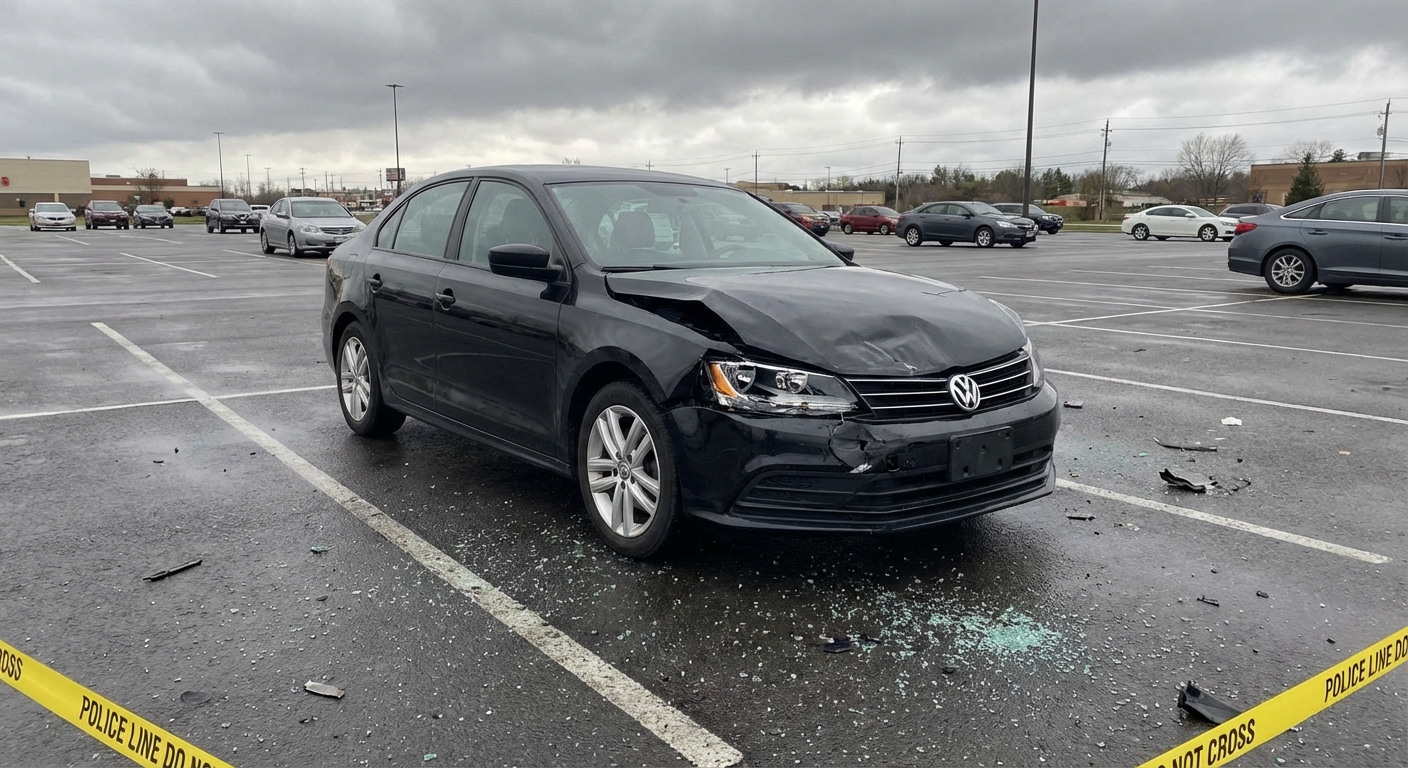
The moment the crash happens, do three things: get medical attention, call the police, and document the scene. Take photos of vehicle damage, the accident scene, road conditions, and other vehicles involved. Get the other driver's info and the police report number. Then — this part is critical — screenshot the Uber app details showing the ride timeline. Don't assume Uber will produce them later. They will, but the process can take months.
Once you're stable, file a claim. If you're a passenger, file directly with Uber. If you're a driver, you'll file with your personal auto insurance first (they have to review it), then with Uber's coverage if your policy excludes rideshare.
Insurance companies will contact you fast. They want a recorded statement immediately. Don't give one without talking to an attorney first. An attorney can advise you on what to say and what to hold back.
Things you'll deal with:
- Liability disputes: Who was at fault? The other driver claims the Uber driver hit them. Uber claims the driver was in Period 1, not Period 3 (lower payout).
- Coverage debates: Multiple insurance companies argue over who pays first. This is called subrogation and can slow cases down significantly.
- Medical liens: Hospitals and doctors want to get paid from your settlement. An attorney can negotiate these down.
- Comparative negligence rules: Some states say you're partially at fault even if you didn't cause the crash. Settlement amounts get reduced accordingly.
Consistent documentation helps with all of this. Keep a folder with photos, medical records, repair estimates, and all communications with insurance companies.
When You Actually Need an Uber Accident Attorney
Not every Uber accident requires hiring an attorney. Minor fender-benders with clear liability and small medical bills? You might settle it yourself.
But hire an attorney if any of these apply:
- Serious injuries. You spent more than a few days in the hospital or have ongoing treatment. Insurance companies lowball injury claims, and attorneys know the real value of your case.
- Liability is disputed. The other driver says it was your fault, even if it wasn't. Insurance companies use this to deny claims or cut settlements in half.
- Uber claims you were in Period 1. This is super common and usually wrong. An attorney can prove the driver was in Period 2 or 3 using app data and GPS.
- Your own insurance denied coverage. If your policy says "no rideshare use" and you were driving for Uber, an attorney can push back and force Uber's coverage to apply.
- Multiple parties are fighting over payout. You have your insurance, Uber's insurance, the other driver's insurance, maybe a third-party liability company. When three companies are arguing, an attorney keeps you from getting buried.
- You can't get a straight answer from Uber. Uber is slow, keeps asking for the same documents, or ghosted you.
Most rideshare accident attorneys work on contingency — they take a percentage of your settlement (usually 25-33%) instead of charging hourly. If you don't win, you don't pay.
Rideshare cases often settle between $10,000 and $50,000 depending on injury severity. Serious cases go higher. An attorney usually recovers enough to cover their fee and leave you with a real settlement.
Your First Steps After an Uber Accident
The first 48 hours matter more than you think. Here's what to do:
Immediately after the crash:
- Get medical attention even if you feel fine. Some injuries show up days later. You need documentation.
- Call police. Get the report number. Don't leave the scene without it.
- Take photos of your vehicle, the other vehicle, road conditions, traffic signals, and anything else relevant.
- Get the other driver's name, phone, address, insurance info, and license plate.
- Screenshot the Uber app details. Do not close the ride or log out.
- Write down what happened while it's fresh. Get names and numbers of any witnesses.
In the next few days:
- Report the accident to Uber through the app or website. Uber has 24-48 hours to respond.
- Collect all medical records and bills, no matter how small.
- Get the police report when it's available.
- Contact your own insurance company, but don't agree to any statement yet.
- Do not post about the accident on social media. Insurance companies monitor this.
- Keep a log of your injuries, missed work, and any expenses related to the crash.
Before settling:
- Understand which period the driver was in and what that means for coverage.
- Get an estimate for property damage if your vehicle was hit.
- Add up all medical costs, including any follow-up appointments.
- Calculate lost wages if you missed work.
- Consider pain and suffering (usually 2-5x your medical costs).
If Uber or the insurance company comes back with a lowball offer, that's a sign to talk to an attorney. An Uber accident attorney can usually push back and get you a real settlement — one that actually covers your injuries and lost time. [The National Highway Traffic Safety Administration publishes data on accident injuries and recovery costs](https://www.nhtsa.gov/) if you want to understand typical injury values for your type of crash.
Speak with an Uber accident attorney
Free case evaluation — find out what your claim is worth.
Begin my review →FAQ
Does Uber's $1 million insurance cover me if I'm a passenger?
Yes, but only if you were in the vehicle when the crash happened (Period 3). If the driver was in Period 1 or 2, you'd look to the driver's personal insurance first. Uber's $1M policy covers passengers pretty reliably during active rides.
What if the Uber driver was at fault?
Uber's liability insurance should cover your injuries and damages. The catch: insurance companies fight over which period the driver was in. If they claim Period 1 instead of Period 3, coverage drops significantly. An attorney can use ride data to prove the driver was actually en route.
How long do Uber accident claims usually take?
Simple cases with clear liability settle in 2-4 months. Complicated ones with disputed fault or serious injuries take 6-12 months or longer. The more insurance companies involved, the slower it moves. Most attorneys push for settlement before trial because litigation takes years.
Can I sue Uber directly?
You can file suit, but Uber isn't technically liable for the driver's actions — that's how the gig economy works. You sue the driver, and Uber's insurance pays. You can also pursue the driver's personal insurance. But you can't collect damages directly from Uber for the accident.
What if I was the Uber driver and the accident was my fault?
Your personal auto insurance likely excludes rideshare driving, so you'd rely on Uber's coverage, which is limited in Period 1 and full in Periods 2 and 3. You face liability for injuries, which Uber's insurance covers up to the policy limit. An attorney can help determine whether your own insurance might still apply despite the exclusion.
Do I need to tell Uber about the accident immediately?
Yes, report it as soon as you can. Uber has a crash report feature in the app. The sooner they know, the sooner the claims process starts. But don't delay getting medical attention — your health comes first.
Uber Lawyers Near Me is an informational resource about Uber accident claims and TNC insurance policies. We are not a law firm and do not provide legal advice. Information on this site is for general educational purposes only. If you have been injured in an Uber accident, consult a licensed attorney in your state. No attorney-client relationship is created by using this site.