
What to Do After an Uber Accident in Encino
1. Screenshot the ride details right now
If you got hit while driving or riding in an Uber in Encino, the first thing to know is that Uber's $1M insurance policy only covers you in specific situations. If you were driving but didn't have a passenger yet, that coverage doesn't apply. If you were a passenger, coverage kicks in, but Uber will fight hard to pin all liability on the other driver. Either way, you need to act fast. Getting paid usually means gathering evidence immediately, understanding whose insurance actually covers the crash, and talking to a lawyer before Uber's insurer convinces you to accept far less than you deserve. Here's what you need to do.
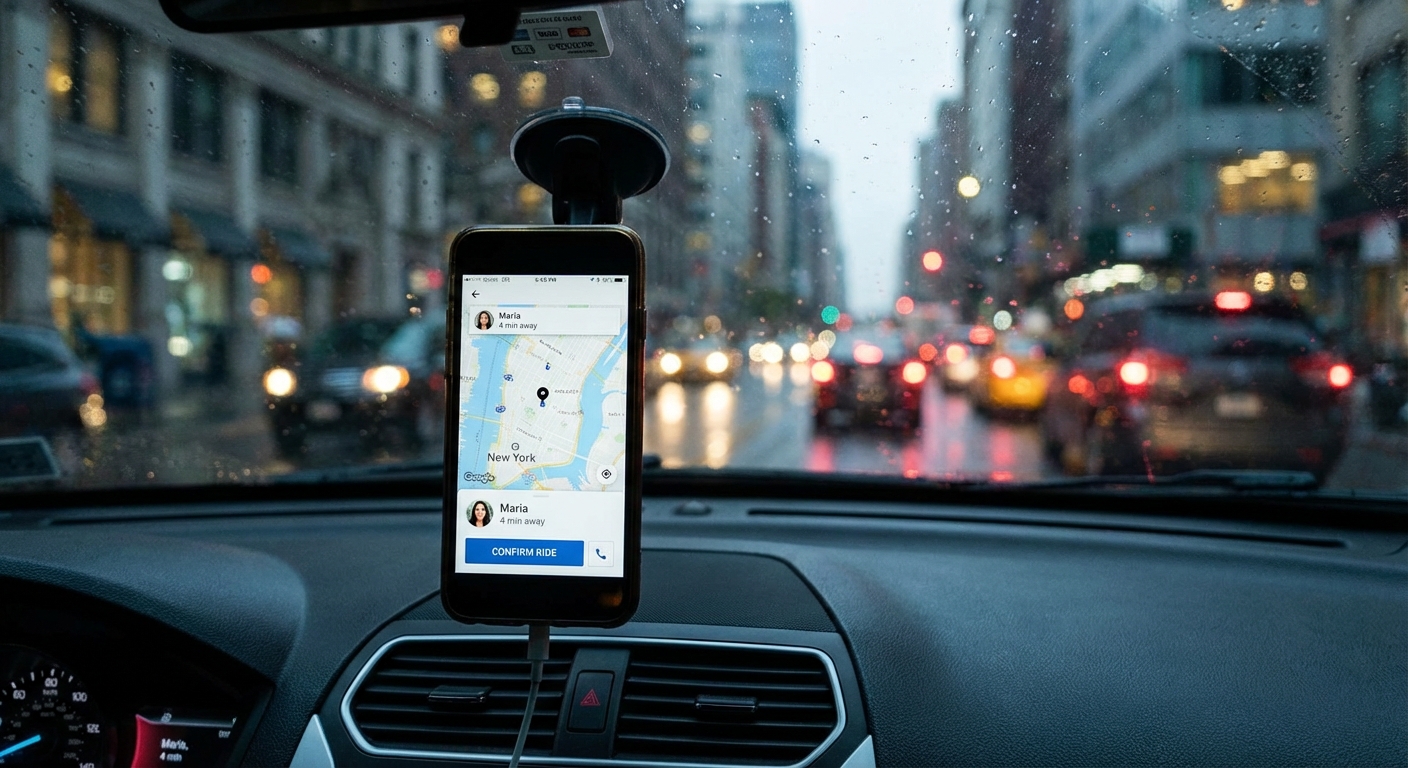
The moment the crash happens — before you move the cars, before you talk to the other driver — pull out your phone and screenshot everything from the Uber app. The ride ID, the driver's name and photo, the exact pickup and drop-off addresses, the timestamp. Why? Because Uber's system is a complicated mess. The ride details live in multiple databases, and when you're in a dispute later, Uber will drag its feet producing documents. If you have a screenshot taken at the scene, it's a contemporaneous record that Uber can't argue with. It's also proof that you were actually in an Uber ride, which sounds obvious, but insurance companies will sometimes claim a driver was on 'break' or in 'Period 1' (more on that later). In Los Angeles County, where Uber crash cases pile up, that screenshot is often the difference between getting paid and getting ghosted.
2. Get a police report
Call 911 immediately if anyone's injured. Even if it's minor, call. A police report is your documentary backbone. When officers arrive in Encino, they'll document the scene, get statements, and assign a case number. Get that number before you leave — it's your reference for everything that follows. The police report, once you receive it, becomes ironclad evidence. Insurance companies can fight your version of events, but they usually won't fight a police report without a really good reason. And if the case ever goes to court (which it usually doesn't, but let's plan for it), the police report is admissible and credible. Don't rely on the other driver to file the report. Don't assume the officer will explain everything. Be proactive: ask for the report number, ask when you can pull the full report online, and note the officer's badge number.
3. Don't talk to Uber's insurer — yet
Within hours or days, Uber's claims adjuster will reach out. They'll be friendly, professional, and very interested in your statement. Here's the trap: they will use that statement to minimize their liability. They'll ask 'what happened?' and whatever you say, they'll reinterpret. You admit you didn't see the other car? Now you're 'partially at fault.' You mention you were texting a passenger? Suddenly you're 'distracted.' In California's pure comparative negligence system, every percent of fault matters, because it directly reduces your payout. Uber's insurance is contingent coverage, which means they're already looking for reasons to either deny coverage or cap their exposure. Let a lawyer handle the initial negotiation. The insurer will still reach out, but your lawyer will advise you on what to say (or say it for you). This one call could cost you tens of thousands of dollars.
4. Document everything: injuries, damage, witnesses
The crash scene is chaos, but take photos anyway. Photos of your car's damage, the other car's damage, the road conditions, any skid marks, traffic signals, street signs. Take photos of your injuries too — if you have visible cuts, bruises, or swelling, document them daily for a week. Visible injuries matter in settlement negotiations; photo evidence is worth more than your word. Collect names and phone numbers from every witness. If a witness says they saw the whole thing, get their full contact info, not just a first name. Screenshot any in-app messages between you and the driver. Save your insurance information, the other driver's information, and the other driver's insurance information. Keep all medical records, receipts, and bills related to treatment. In Los Angeles County, where cases move slowly, this paper trail is what keeps your claim alive. Insurance adjusters reviewing your file months later will judge your credibility partly on how organized your evidence is.
5. Understand Uber's insurance periods
Here's why Uber cases are weird. Uber doesn't treat all coverage the same. There are three periods:
Period 1: No passenger, no ride accepted. You're waiting for the next ping. If you crash, you're relying on Uber's 'contingent coverage' — usually $50k liability, maybe $100k. Your own car insurance probably excludes commercial use, so you're stuck with this tiny umbrella. This is the trap period.
Period 2: Passenger accepted, en route. Uber's full $1M policy is in effect. This covers driver liability, passenger injury, and uninsured/underinsured motorist protection up to $1M. This is the good coverage.
Period 3: Ride completed. Coverage is secondary to your personal policy.
If you were a passenger, Period 2 applies (assuming the driver had accepted your ride). If you were a driver waiting for a ride, Period 1 probably applies — and you're in trouble. This is not a technicality. This is the difference between a small settlement and a real recovery.
6. Preserve your right to sue
California gives you two years to file a personal injury lawsuit for an auto accident. Two years. That sounds like a lot of time, but it flies. Evidence disappears, witnesses move, medical issues become chronic, and your case gets weaker with every month that passes. Don't wait. Send Uber a formal preservation letter requesting that they preserve all records related to your crash: ride logs, driver records, in-app messages, communications with the insurance carrier, everything. This letter creates a legal obligation; if they destroy evidence later, it can be held against them. Don't sign anything Uber sends you — especially not a 'settlement agreement' or a 'release.' Once you sign, you've usually given up your right to sue. You don't need to reject their settlement in writing; just don't sign. The two-year deadline is real, but the first few months after the crash are the most important for building your case.
7. Talk to a rideshare accident lawyer
This is the step most people skip, and it's the most expensive mistake. Rideshare cases are more complex than regular auto accidents. You're dealing with Uber's contract terms, their insurance setup, possible arbitration clauses, driver classification issues, and three insurance companies instead of one. A lawyer who knows rideshare law will understand the Period 1/2/3 structure, will know how to challenge Uber's coverage denials, and will have a realistic view of your settlement range. Most rideshare lawyers work on contingency — meaning you pay nothing upfront, and they take a percentage if you win. So there's no financial barrier to getting expert help. Encino's location in Los Angeles County means you have access to top legal resources. The Los Angeles Superior Court at 111 North Hill Street handles rideshare cases regularly, and Cedars-Sinai Medical Center nearby documents injuries thoroughly. Call a lawyer within a week of your crash. The consultation is almost always free.
Speak with an Uber accident attorney
Free case evaluation — find out what your claim is worth.
Begin my review →FAQ
Does Uber's insurance cover me if I'm the passenger?
Yes, if the driver had accepted your ride. Uber's $1M policy covers passenger injury. The tricky part is proving fault — Uber will fight to pin it on the other driver. If you were driving, coverage depends on whether you had a passenger in the car.
How long do Uber accident cases take?
Usually 6 to 18 months, sometimes longer. Rideshare cases take longer than regular auto accidents because multiple insurance companies are involved and Uber rarely settles quickly. The good news: most settle before trial.
What if the other driver was at fault — does Uber still pay?
Uber's policy covers you regardless of who's at fault. But Uber's insurance will try to recover from the other driver's insurance, which can slow things down. Your settlement might come from either Uber's policy or the other driver's policy, or both.
Can I sue Uber directly?
Most Uber drivers have arbitration clauses, which means disputes go to arbitration, not court. As a passenger, you might have more options. This is why a lawyer matters — they know which avenue (arbitration vs. litigation vs. settlement) makes sense for your situation.
Diana Reyes tracks Uber and Lyft insurance policy structures across all 50 states and has analyzed over 300 rideshare accident outcomes. She is not an attorney and does not provide legal advice.