
8 Critical Things About Uber Crashes You Need to Know
By the Uber Lawyers Near Me Editorial Team · Last reviewed: April 2026
1. The Insurance Coverage Periods Are Everything
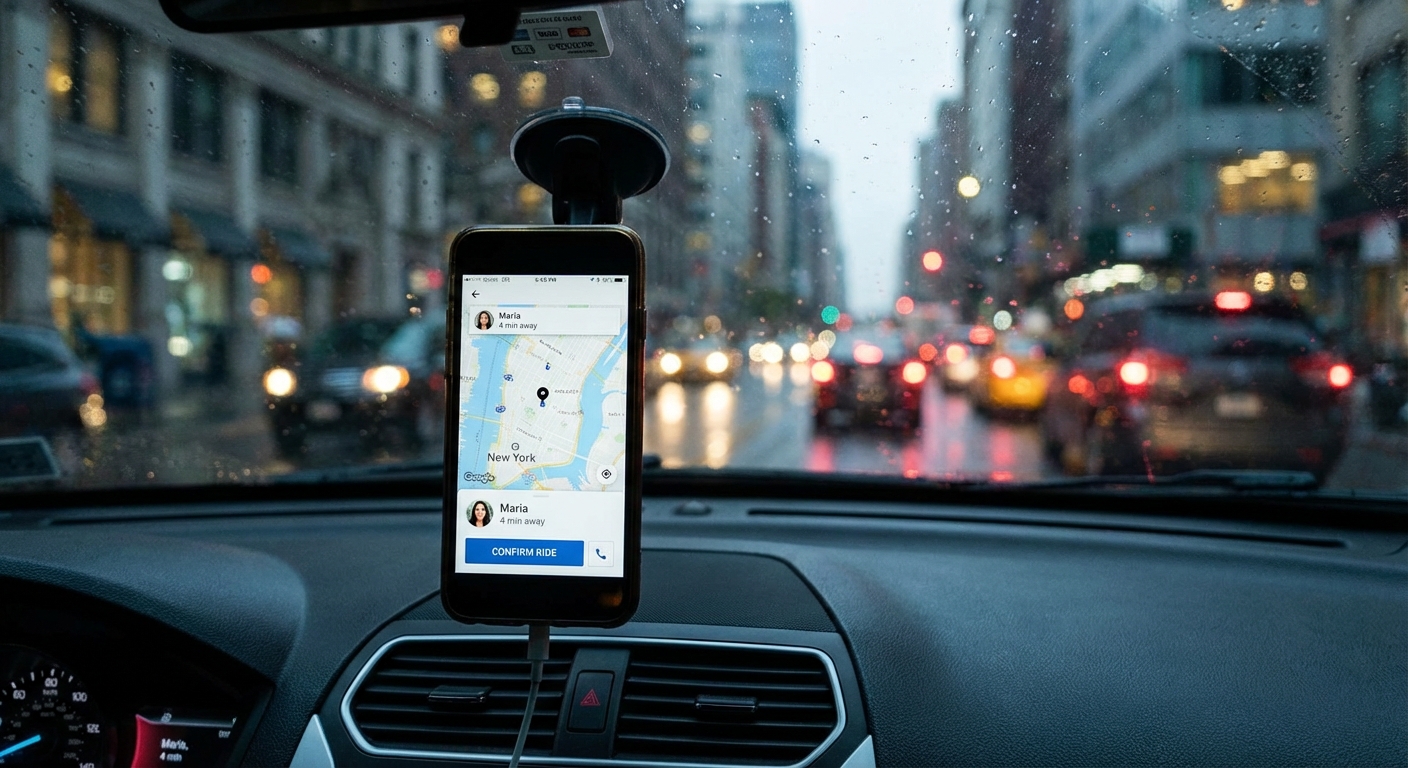
If you crashed in an Uber—or hit an Uber—the first thing to understand is that Uber's insurance coverage depends entirely on what the driver was doing at the moment of impact. If the driver had accepted a ride and was en route or had a passenger, Uber's $1 million liability policy kicks in. If the driver was just sitting idle waiting for a ping, they're in "Period 1" with no active coverage—which means your claim goes straight to the driver's personal insurance (or doesn't get paid at all). Most riders and drivers don't know this distinction exists until claim denials start arriving. The second critical thing: document everything the second you're able. Screenshot the ride, the ride details, the map route, everything in-app. Insurance companies will eventually get this data, but not fast, and not without a fight.
Uber divides driver activity into three periods, and your entire claim depends on which one the driver was in. Period 1 is when the app is on but no ride is accepted—the driver is just waiting. Uber's coverage doesn't apply here. Period 2 is when a ride is accepted but the driver hasn't picked up the passenger yet. Period 3 is when a passenger is in the car. Uber's $1M liability policy applies in Periods 2 and 3. This matters because if a driver is waiting for a ping and gets hit, the claim goes to the driver's personal insurance—which usually excludes commercial use. Many drivers don't carry commercial auto insurance because Uber tells them they don't need it. So the driver might have zero coverage. As a passenger or the hit vehicle, you need to find out which period the driver was in the moment of impact. This is why screenshot documentation matters so much. See [NHTSA crash data](https://www.nhtsa.gov/) for national context on how often rideshare is a factor in vehicle collisions.
2. Screenshot Your Ride Details Immediately
The moment you can move and access your phone, open the Uber app and take screenshots. Get the driver's name, photo, vehicle, license plate, the route map showing where the crash happened, the exact pickup and dropoff times, and the trip total. Timestamp everything. Uber will delete ride history after a certain period, and in discovery litigation, Uber moves at glacial speed to produce records. Screenshots from the app give you immediate proof. You'll need these to show insurance adjusters exactly what period the driver was in and to challenge Uber if they try to claim the driver was offline. Don't rely on memory or Uber customer service to retrieve this later. If you're the driver, ask all passengers to send you a message confirming they're okay. Screenshots of those conversations become evidence that you weren't negligent post-impact and that you responded responsibly.
3. Your Personal Insurance Likely Won't Cover This
If you were the passenger and got injured, your own health insurance or personal injury protection (PIP) on your auto policy might cover medical bills—but those policies usually don't pay for the actual lawsuit. If you were a pedestrian or driver of another car hit by an Uber, your insurance might cover your vehicle damage and injuries. You'll then pursue Uber and the Uber driver's insurance for reimbursement through subrogation. The real leverage is that Uber's $1M policy (in Periods 2 and 3) gives you a much deeper pocket to sue. But here's the catch: Uber will use every argument to claim the driver was in Period 1 so Uber's policy doesn't apply. That's why documenting the ride status in the app at the time of the crash is non-negotiable. Your own insurance company won't fight Uber for you—they'll just pay your claim and move on. You're responsible for the bigger fight.
4. Uber's Contingent Coverage Is Minimal in Period 1
If the driver was in Period 1 (waiting for a ride), Uber claims to provide "contingent" coverage on top of the driver's personal insurance. "Contingent" means it only covers what the driver's personal insurance doesn't cover—and only if the driver's insurance denies the claim. So if the driver has no coverage (because their policy excludes commercial use), Uber's contingent becomes primary. But Uber's contingent coverage in Period 1 is capped at much lower limits than the $1M in Period 3. You end up fighting Uber about whether the contingent applies, whether the driver had personal coverage, and whether Uber actually owes anything. It's a legal mess. Drivers should know: if you're driving for Uber, buy a commercial auto policy or a named rideshare endorsement on your personal policy. It's cheaper than dealing with this aftermath. Passengers should know: this is why the insurance period matters so much to your final payout.
5. The Other Driver's Insurance Might Not Know They Hit an Uber
If a driver in their personal vehicle hit an Uber (or vice versa), the personal vehicle owner's insurance company might not immediately realize an Uber was involved. They'll open the claim as a standard car accident and ask standard questions. The moment they discover rideshare is involved, the claim becomes more complex and often gets escalated or reassigned. For Uber drivers: tell the other driver's insurance company that you were on a platform (rideshare) at the time. For other drivers hit by Uber: make sure you tell your insurance that the other vehicle was a rideshare vehicle. This changes which insurance policies are available and who has primary coverage. Failing to disclose this detail upfront slows everything down and can damage your credibility later. You want the insurance company to activate the right coverage from the start, not discover it buried in discovery months later. That delay costs you time and leverage.
6. Police Reports Are Crucial But Won't Tell the Full Story
Call 911 or the local police non-emergency line and request a crash report. This becomes official documentation that the crash happened. Police reports follow [NHTSA standardized crash data collection procedures](https://www.nhtsa.gov/), which helps ensure consistency and accuracy. But here's the catch: the officer won't know or care about Uber's insurance periods. They'll just write down the facts of the collision itself—who hit whom, where, and any visible injuries. The report won't say whether the Uber driver was in Period 2 or Period 3, and it won't trigger any investigation into insurance. You need the police report for your own claims, but don't treat it as complete. You still need the app screenshot, photos of the damage, photos of the scene, witness contact information, and the other driver's insurance details. The police report is the skeleton; the rest of your documentation is the meat. Request a copy once it's filed (usually within a few days) and check it for errors.
7. Liability Often Isn't Clear-Cut
In a normal car accident, liability is usually pretty straightforward: one driver ran a red light, so they're at fault. But Uber crashes get messier because of the platform's role. Uber doesn't employ the driver, so Uber claims no responsibility for the driver's actions. But Uber also vets drivers, sets rates, and controls the app's logic. So there's an argument that Uber is liable for negligent hiring, negligent retention, or negligent entrustment of drivers. Some courts have sided with passengers on this; others haven't. The insurance company will argue it's just the driver's fault, not Uber's. Your lawyer will argue Uber bears some responsibility. This is why you need a lawyer who understands rideshare specifically—they'll know which arguments work in your jurisdiction and how aggressively to push Uber as a defendant. Generic personal injury lawyers often just sue the driver and settle with the driver's insurance, leaving Uber's deeper pockets untapped.
8. You'll Probably Need a Rideshare-Specific Attorney
Uber crashes are not the same as regular car accidents. Most personal injury lawyers have never dealt with rideshare insurance periods, Uber's contingent coverage gaps, or the unique arguments Uber uses to limit liability. A lawyer who does rideshare cases regularly will know: which insurance period the app evidence shows, how to push back on Uber's denials, whether your jurisdiction leans toward holding Uber liable, and how to structure the demand to account for multiple insurance policies. They'll also know that rideshare cases take longer—there are usually three insurance companies negotiating, not one. Don't rush to settle with the driver's insurance company before you've investigated Uber's coverage. If you're a driver, get a lawyer on your side before talking to insurance companies. Anything you say can and will be used to shrink your payout. A rideshare-specific attorney knows how to ask for transparency about insurance coverage, which is often Uber's first instinct—to obscure.
Speak with an Uber accident attorney
Free case evaluation — find out what your claim is worth.
Begin my review →FAQ
What's the difference between Period 1, Period 2, and Period 3 coverage?
Period 1 is when the app is on but no ride is accepted. Period 2 is when a ride is accepted but no passenger is in the car yet. Period 3 is when a passenger is in the vehicle. Uber's $1M liability policy applies in Periods 2 and 3 only. In Period 1, coverage is limited and depends on the driver's personal insurance.
If I'm a passenger injured in an Uber crash, who do I sue?
You can sue the Uber driver and/or Uber itself, depending on the jurisdiction and circumstances. Uber's $1M policy (in Periods 2 and 3) makes Uber's insurance the bigger target. Many rideshare lawyers will name both the driver and Uber as defendants to keep options open.
Do Uber drivers need their own insurance?
Yes. Most drivers' personal auto policies exclude rideshare use, so drivers should buy a commercial auto policy or a rideshare-specific endorsement. Uber's coverage is a backup, not a full replacement for personal insurance.
How long does an Uber crash lawsuit usually take?
Rideshare cases typically take longer than standard auto cases—usually 18 to 36 months—because multiple insurance companies are involved and discovery is more complex. Uber often fights aggressively on coverage questions before settlement.
Uber Lawyers Near Me is an informational resource about Uber accident claims and TNC insurance policies. We are not a law firm and do not provide legal advice. Information on this site is for general educational purposes only. If you have been injured in an Uber accident, consult a licensed attorney in your state. No attorney-client relationship is created by using this site.